What Waterproofing Services We Do?
1. Cementitious Waterproofing
This is one of the simplest and most affordable methods. It involves a cement-based slurry or coating (often polymer-modified) applied like paint with a brush, trowel, or roller. It bonds strongly to concrete and is rigid, making it ideal for static areas.
Best for: Bathrooms, kitchens, water tanks, basements (positive or negative side), and non-moving cracks.
2. Liquid-Applied Membranes (LAM)
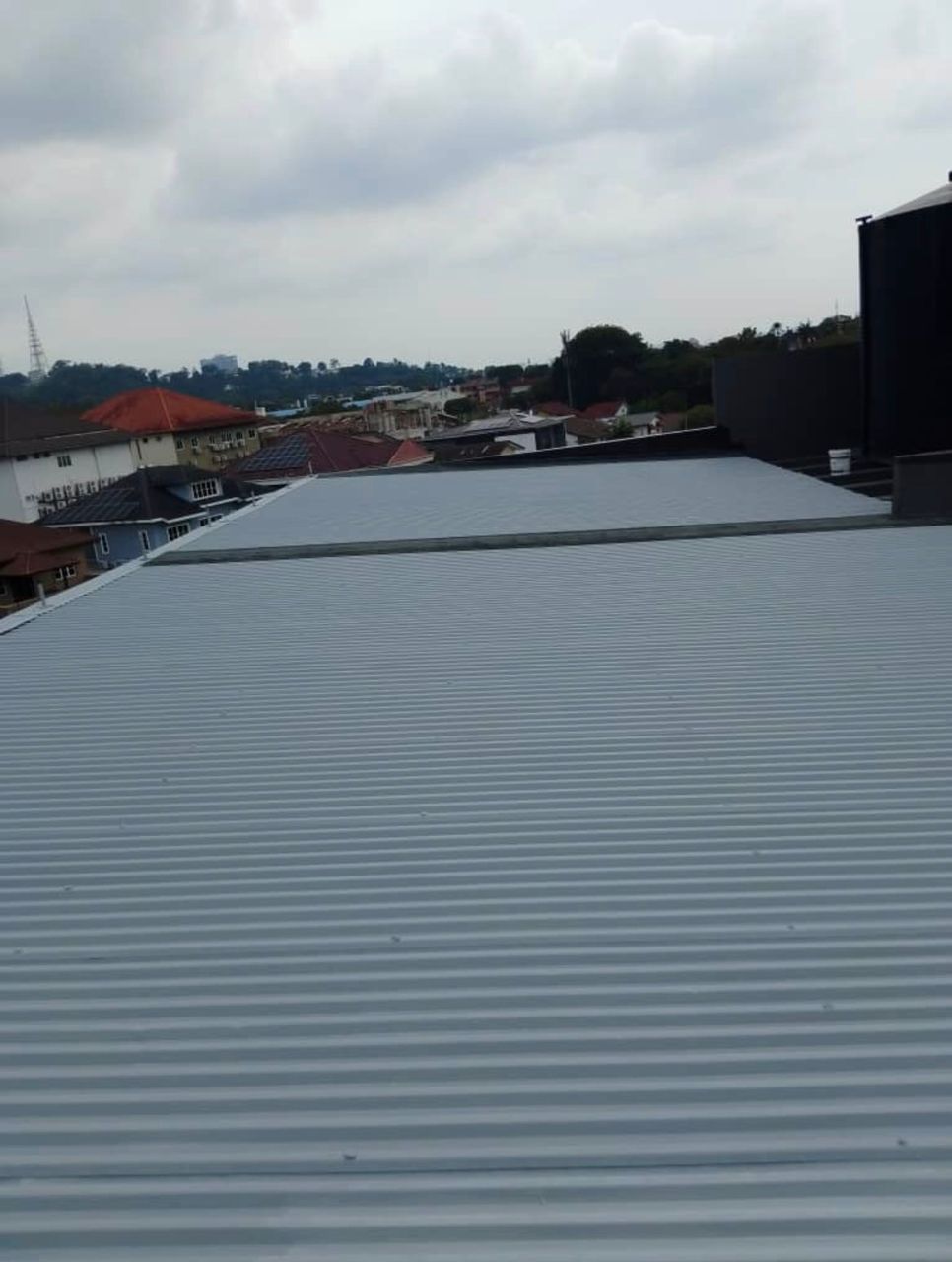
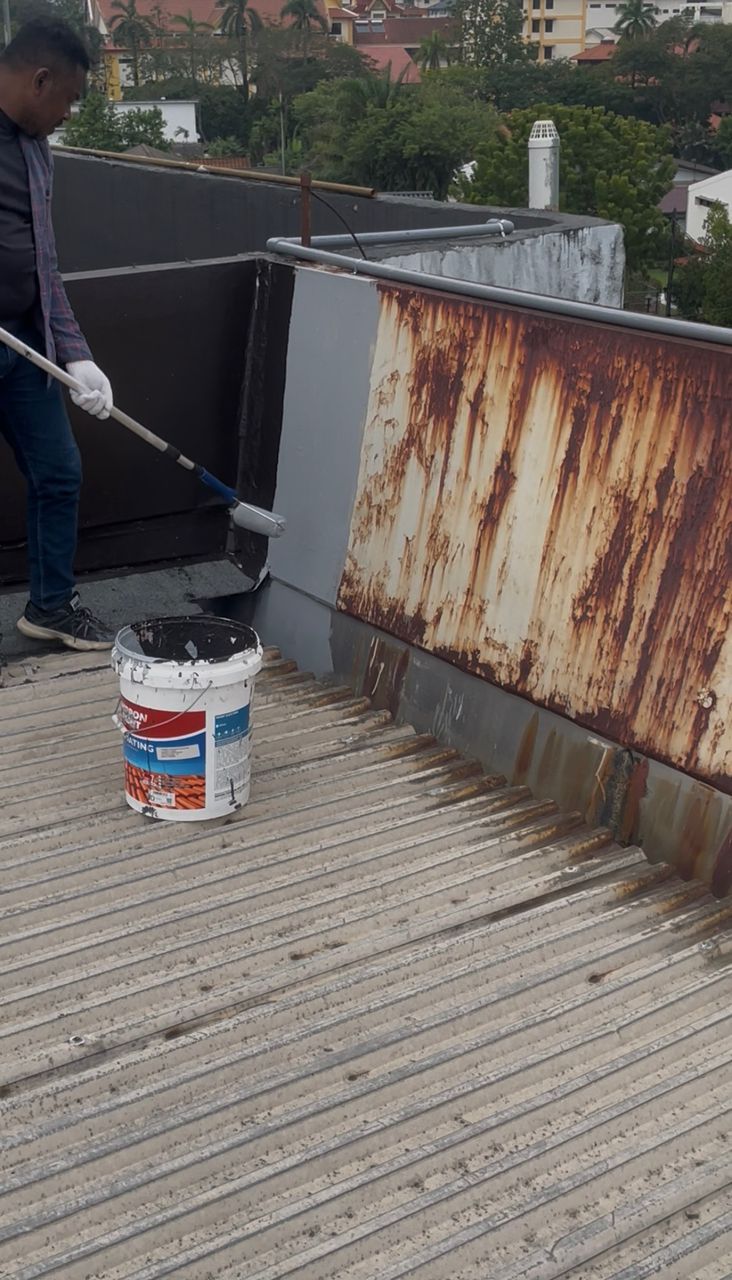
Fluid coatings (polyurethane, acrylic, polyurea, or hybrid) are brushed, rolled, or sprayed on to form a seamless, flexible, rubber-like barrier after curing.
Best for: Roofs, terraces, balconies, complex shapes, and areas with movement. Popular for flat roofs and retrofits.
Advantages: Seamless (no joints), excellent elongation (handles cracks/movement), UV-resistant variants available, fast application. Polyurethane and polyurea are highly durable and chemical-resistant.Best for: Bathrooms, kitchens, water tanks, basements (positive or negative side), and non-moving cracks.
3. Bituminous Waterproofing (Coatings and Membranes)
Asphalt/bitumen-based products. Coatings are liquid-applied; membranes come as torch-on, self-adhesive, or pre-formed sheets.
Best for: Foundations, below-grade areas, low-slope roofs, retaining walls.
Advantages: Excellent adhesion, durable under constant water exposure, economical for large areas. Torch-on provides strong bonding.
Limitations: Can degrade under UV (needs protection); less flexible in cold; skilled labor for torch application (fire risk).
Variants: Polymer-modified for better elasticity.
4. Sheet Membranes (Non-Bituminous)
Pre-formed rolls of EPDM, PVC, TPO, or HDPE. Applied with adhesives, heat welding, or mechanical fastening.
Best for: Roofs (TPO/EPDM common), foundations, and large uniform areas. Blindside membranes for new construction where excavation is limited.
Advantages: Uniform thickness, high durability (50+ years for some), puncture-resistant, root-resistant options.
Limitations: Seams must be perfectly sealed; harder on irregular surfaces.
5. Crystalline and Integral Waterproofing
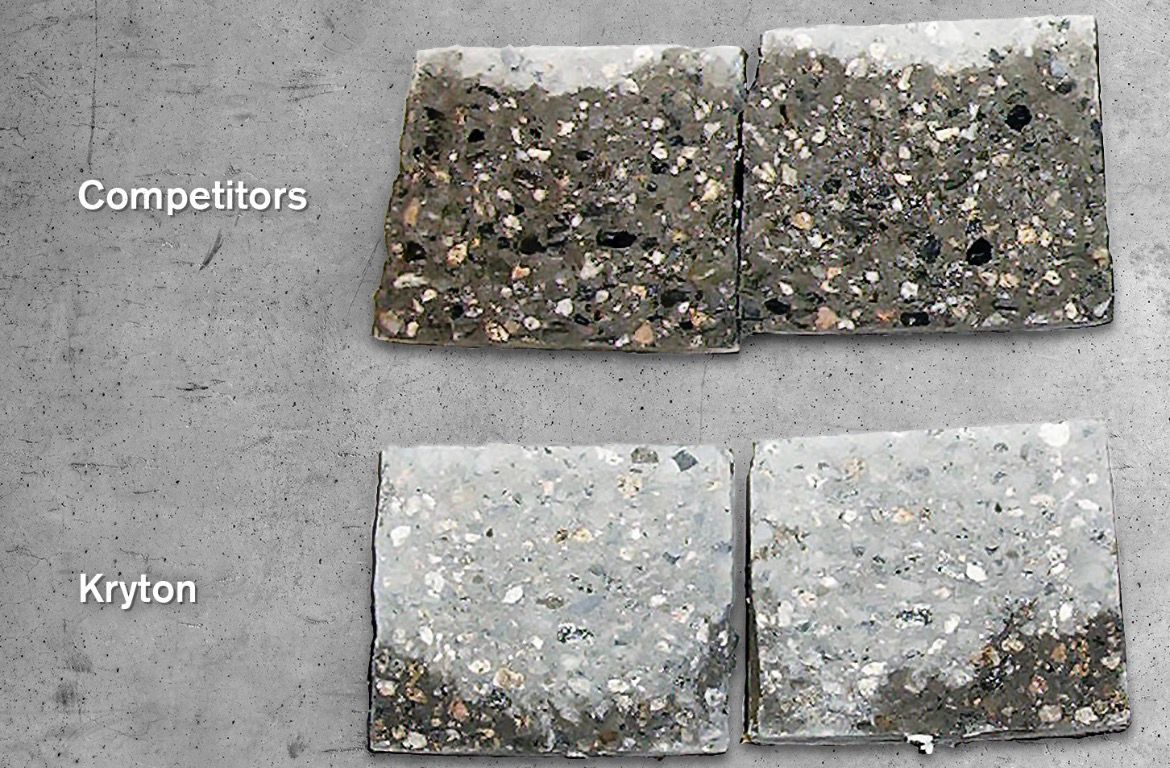
Crystalline admixtures or coatings react with concrete to form insoluble crystals that block pores and capillaries. Integral types are mixed into the concrete batch.
Best for: Concrete structures, foundations, basements, water-retaining structures (self-healing properties).
Advantages: Penetrates deeply, self-heals micro-cracks, permanent protection, works on positive/negative side.
6. Other Specialized Methods
• Bentonite/Hydro-Clay: Swells on contact with water; good for below-grade.
• Polyurethane Injections: For crack sealing and active leaks.
• Drainage Systems: Often combined—French drains, dimpled boards, sump pumps for basements.
• Green/Vegetated Roofing: Waterproof membrane + soil/plants for sustainability.
Want to see more of our work?